
tg777 Probability in Casino Games
Mastering tg777: Probability in Casino Games for Advanced Players
Welcome, advanced players, to an in-depth exploration of probability in casino games. In the dynamic world of online casinos, understanding the mathematical underpinnings of each game is not just an advantage—it's a necessity for those who aspire to master their craft. This guide delves into the intricate concepts of probability, house edge, and variance, offering a sophisticated perspective that goes beyond basic strategies. Whether you're a seasoned poker player, a roulette enthusiast, or a slots connoisseur, grasping these principles will empower you to make more informed decisions, manage your bankroll effectively, and ultimately, enhance your overall gaming experience at tg777. We'll uncover how these mathematical truths shape the games you love and how you can leverage this knowledge to your benefit.
Table of Contents
- Understanding Core Probability Concepts in Casino Gaming
- Calculating and Interpreting House Edge Across Games
- Variance and Risk Management: Navigating Short-Term Fluctuations
- Advanced Strategies: Applying Probability to Game Play
- Game-Specific Probability Analysis: tg777 Casino Games
- Common Misconceptions and Cognitive Biases in Probability
Understanding Core Probability Concepts in Casino Gaming
At the heart of every casino game lies probability. For advanced players, a superficial understanding is simply not enough. We must grasp the distinction between theoretical probability and empirical probability. Theoretical probability, derived from mathematical calculations, tells us the likelihood of an event occurring under ideal conditions (e.g., the 1/38 chance of hitting a specific number in American Roulette). Empirical probability, on the other hand, is based on observed outcomes over many trials, which tends to converge with theoretical probability as the number of trials increases. Key concepts include:
- Independent vs. Dependent Events: Understanding when past outcomes influence future ones (e.g., card counting in Blackjack) versus when they don't (e.g., consecutive spins in Roulette).
- Expected Value (EV): This crucial metric represents the average outcome of a wager over the long run. A positive EV indicates a profitable venture, while a negative EV suggests a long-term loss. Calculating EV for different bets allows players to identify the most advantageous options.
- Conditional Probability: The probability of an event occurring given that another event has already occurred. This is vital in games like poker, where the probability of drawing a certain card changes based on the cards already dealt.
Mastering these foundational concepts is the first step towards a more strategic approach to online casino gaming. For a deeper dive into game mechanics and probabilities, consider exploring the resources available at tg777.
Calculating and Interpreting House Edge Across Games
The house edge is the casino's built-in advantage, ensuring long-term profitability. For advanced players, simply knowing that a house edge exists is insufficient; understanding how it's calculated and its implications for different games is paramount. The house edge is typically expressed as a percentage of the initial bet that the casino expects to keep on average over an infinite number of plays. For example:
- Roulette (European vs. American): European Roulette has a single zero, resulting in a house edge of approximately 2.70%. American Roulette, with both a single and double zero, nearly doubles the house edge to around 5.26%. This seemingly small difference has significant long-term impact on your expected returns.
- Blackjack: With optimal strategy, the house edge in Blackjack can be reduced to as low as 0.5% or even less, making it one of the most favorable games for skilled players. Deviations from optimal strategy, however, significantly increase this edge.
- Slots: The house edge for slot games varies widely, often ranging from 2% to 15% or more, depending on the specific game and its Return to Player (RTP) percentage. A game with an RTP of 96% has a house edge of 4%.
Interpreting the house edge allows advanced players to prioritize games with lower edges, thereby maximizing their potential for sustained play and minimizing long-term losses. Always check the RTP information for slot games and understand the optimal strategies for table games. Learn more about the specific house edges of games offered by tg777 Casino.
Variance and Risk Management: Navigating Short-Term Fluctuations
While the house edge dictates long-term outcomes, variance (or volatility) describes the short-term fluctuations in results. High variance games can lead to significant swings in your bankroll, with long losing streaks followed by large wins, or vice-versa. Low variance games offer more consistent, smaller wins and losses. Understanding variance is crucial for effective bankroll management:
- High Variance Games: Slots with progressive jackpots, certain video poker variations, and specific bets in games like Craps. These require a larger bankroll to weather the inevitable dry spells.
- Low Variance Games: Blackjack (with optimal strategy), Baccarat, and even money bets in Roulette. These are more suitable for players with smaller bankrolls or those who prefer a steadier gaming experience.
Advanced players use variance to inform their betting strategies. For instance, a player targeting a large jackpot might tolerate higher variance, while a player aiming for consistent, smaller profits might opt for lower variance games. Proper bankroll management involves allocating funds appropriate to the variance of the games being played, ensuring that short-term bad luck doesn't prematurely end your session. Explore the diverse range of games and their varying volatilities at tg777 and tailor your strategy accordingly.
Advanced Strategies: Applying Probability to Game Play
Beyond basic strategy, advanced players integrate probabilistic thinking into every decision. This involves:
- Card Counting (Blackjack): While challenging in online environments due to frequent shuffling, understanding its principles highlights how conditional probability can shift the house edge. Even if not directly applicable, it underscores the value of tracking relevant information.
- Pot Odds and Implied Odds (Poker): Calculating the probability of hitting a drawing hand against the current pot size and potential future bets is fundamental to profitable poker play. This is a direct application of conditional probability and expected value.
- Bet Sizing and System Betting: While no betting system can overcome the house edge, advanced players can use systems like the Martingale or Fibonacci in conjunction with a deep understanding of variance to manage risk and pursue specific short-term goals, always aware of the inherent limitations.
- Game Selection: Choosing games not just based on preference, but on their inherent probabilistic advantages (e.g., lower house edge, higher RTP) is a hallmark of an advanced player.
These strategies require discipline, keen observation, and a solid grasp of the underlying mathematics. For advanced gaming options and to test your strategies, visit tg777.com.
Game-Specific Probability Analysis: tg777 Casino Games
Let's apply our probabilistic framework to specific game categories popular at tg777 and other online casinos:
- Live Casino Games: In Live Blackjack, understanding the remaining cards (if allowed by house rules and observation) can slightly influence decision-making. In Live Roulette, while each spin is independent, understanding the distribution of outcomes over a session can inform betting patterns, though not alter probabilities. Baccarat, with its low house edge on the Banker bet, remains a favorite for its simplicity and favorable odds.
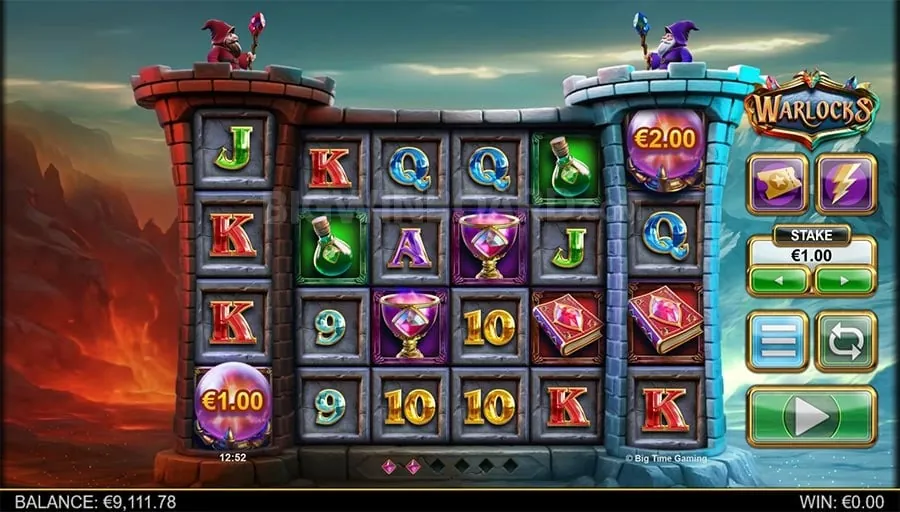
- Slots and Arcade Games: These games are governed by Random Number Generators (RNGs). Probability here is about understanding RTP and variance. Higher RTP slots offer better long-term returns, while high variance slots offer the thrill of larger, less frequent payouts. Arcade games often have fixed probabilities for winning various prizes, which should be analyzed for their expected value.
- Sports Betting: This is a complex area where probability translates into odds. Advanced sports bettors analyze vast amounts of data to estimate the true probability of an outcome and then compare it to the bookmaker's odds to find value bets (where the perceived probability is higher than implied by the odds).
Each game type presents unique probabilistic challenges and opportunities. Advanced players tailor their analytical approach to the specific characteristics of the game at hand. Explore the diverse range of games and apply your analytical skills at tg777's comprehensive game library.
Common Misconceptions and Cognitive Biases in Probability
Even advanced players can fall prey to common cognitive biases that distort probabilistic reasoning:
- The Gambler's Fallacy: The mistaken belief that past independent events influence future independent events (e.g., after several reds in roulette, black is 'due'). Each spin is independent.
- The Hot Hand Fallacy: The belief that a player who has experienced success has a greater chance of further success in the future. While confidence can play a role, the underlying probabilities of independent events remain unchanged.
- Confirmation Bias: The tendency to seek out, interpret, favor, and recall information in a way that confirms one's preexisting beliefs or hypotheses. This can lead players to selectively remember wins and forget losses.
- Near Miss Effect: The psychological phenomenon where a 'near miss' (e.g., two out of three symbols lining up on a slot machine) feels like a win, even though it's a loss, encouraging continued play.
Advanced players actively work to identify and mitigate these biases in their own thinking. By adhering strictly to mathematical probability and expected value calculations, they can make more rational and ultimately more profitable decisions. Sharpen your analytical skills and avoid these pitfalls by practicing informed play at tg777.
Mastering probability in casino games is an ongoing journey for advanced players. It requires continuous learning, disciplined application of strategies, and a steadfast commitment to rational decision-making, free from cognitive biases. By understanding core concepts like expected value and variance, meticulously analyzing the house edge of each game, and applying advanced strategies, you can transform your online casino experience from mere entertainment into a sophisticated pursuit. Remember, the goal is not to eliminate the house edge—that's impossible—but to minimize its impact and maximize your opportunities for success. We encourage you to continue refining your understanding and applying these advanced insights. For an unparalleled gaming experience and to put these strategies into practice, join tg777 today and explore a world of advanced casino gaming.
Frequently Asked Questions
Question 1: Can advanced probability strategies guarantee wins?
Answer: No strategy, however advanced, can guarantee wins in casino games due to the inherent house edge and the random nature of outcomes. Advanced strategies aim to minimize losses, optimize winning opportunities, and manage bankroll effectively over the long term, but short-term results will always involve variance.
Question 2: How does the RTP (Return to Player) relate to house edge?
Answer: RTP and house edge are inversely related. If a game has an RTP of 96%, it means that, on average, for every 100 units wagered, the game returns 96 units to players, and the casino keeps 4 units. Therefore, the house edge is 100% - RTP. A higher RTP means a lower house edge, which is more favorable for players.
Question 3: Is card counting effective in online Blackjack?
Answer: Card counting is generally not effective in online Blackjack games due to the use of Random Number Generators (RNGs) and frequent automatic shuffling after each hand or round, which resets the deck composition. Live dealer Blackjack might offer limited opportunities, but casinos often use countermeasures like multiple decks and early shuffles to neutralize its effectiveness.
Question 4: What is the most important probability concept for a beginner to understand?
Answer: For a beginner, understanding the concept of 'House Edge' is arguably the most crucial. It explains why the casino always has an advantage in the long run and helps in setting realistic expectations about gambling outcomes. It also highlights the importance of responsible gaming and bankroll management.
Question 5: Where can I find reliable information on game probabilities for tg777 games?
Answer: Reputable online casinos like tg777 often provide information on game rules, RTP percentages (especially for slots), and sometimes even basic strategy guides within the game interface or in their help sections. For more in-depth probabilistic analysis, you might need to consult independent gambling strategy sites and academic resources on game theory.